New installs, fast emergency replacements, and the local knowledge to keep your basement dry through Wisconsin springs. Flat-rate pricing on standard pump swaps.
Heavy spring snow melt, frozen discharge lines, and the inevitable day your pump motor finally gives up. We see these failures in patterns — and most of them are preventable with the right pump and a little seasonal maintenance.
If your sump pump discharges through that black flexible corrugated pipe, take it off in the fall. Water sitting inside freezes solid, and come the first thaw, your pump turns on and has nowhere to push the water. The motor burns itself out trying. Five seconds of work saves you a $400 pump.
Three reasons cover 90% of the calls we get:
Catching any of these before peak runoff season is the difference between a $400 service call and a flooded finished basement.
Sump pumps usually warn you before they fail. Catching these early is the difference between a flat-rate swap and a flooded basement.
Either the float switch is stuck or the pump can't actually push water out. Either way, the motor will burn out fast.
Bearings on the way out, or debris caught in the impeller. Get it looked at before it fails.
Means the unit is aging out. Plan a replacement before the next big rain or thaw.
Float switch stuck, power issue, or dead motor. This is the call to make before it's an emergency.
Most consumer pumps don't make it past 10 years. If yours has, it's time to think about replacing it on your schedule, not its.
Common in late winter / early spring. If water can't exit the line, the pump can't do its job. We can reroute or repair.
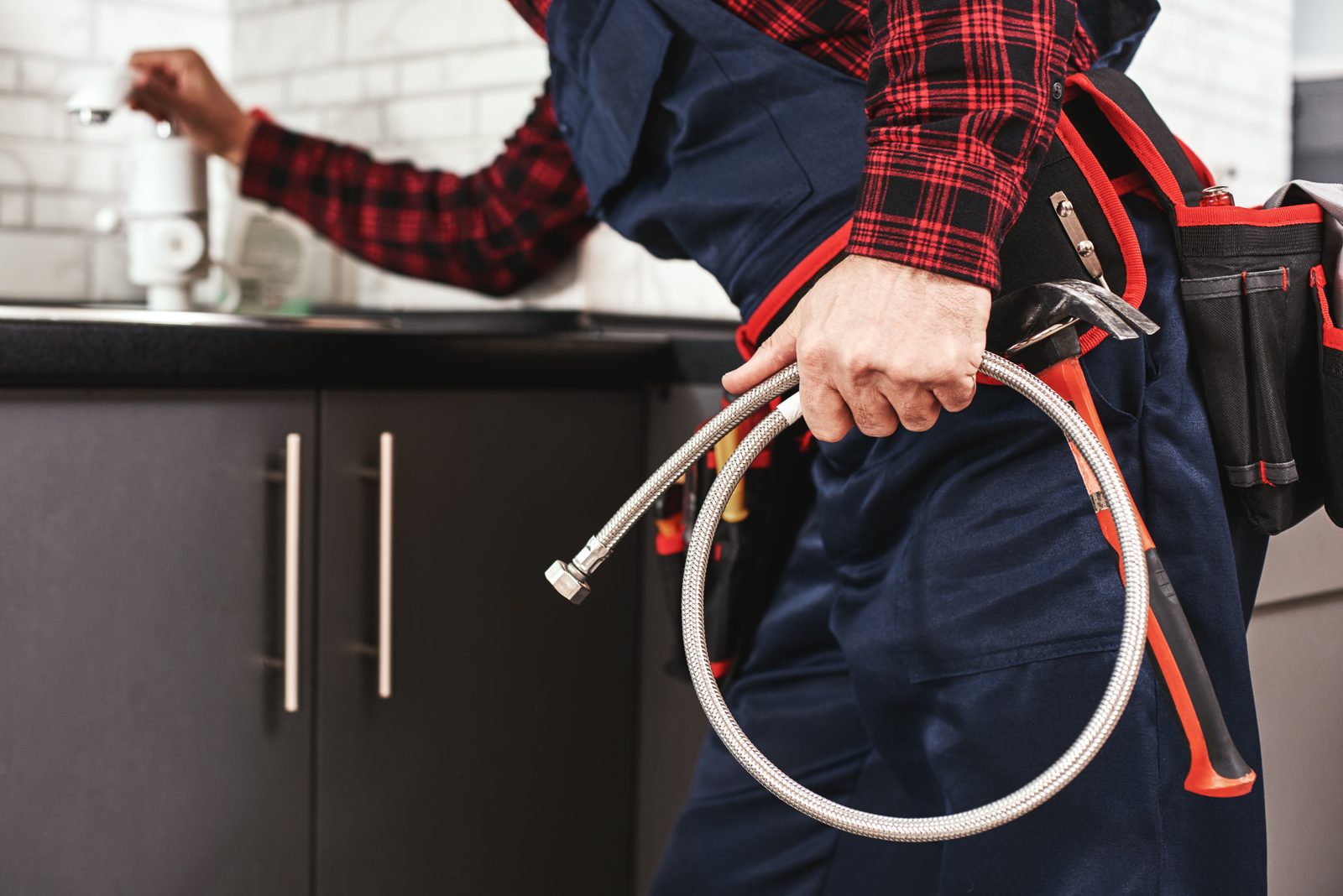
Standard sump pump replacements are flat-rate, quoted before we start. We pull the old unit, install the new pump, test the float switch, run water through the system, and confirm everything's working before we leave.
Most swaps take under 90 minutes.
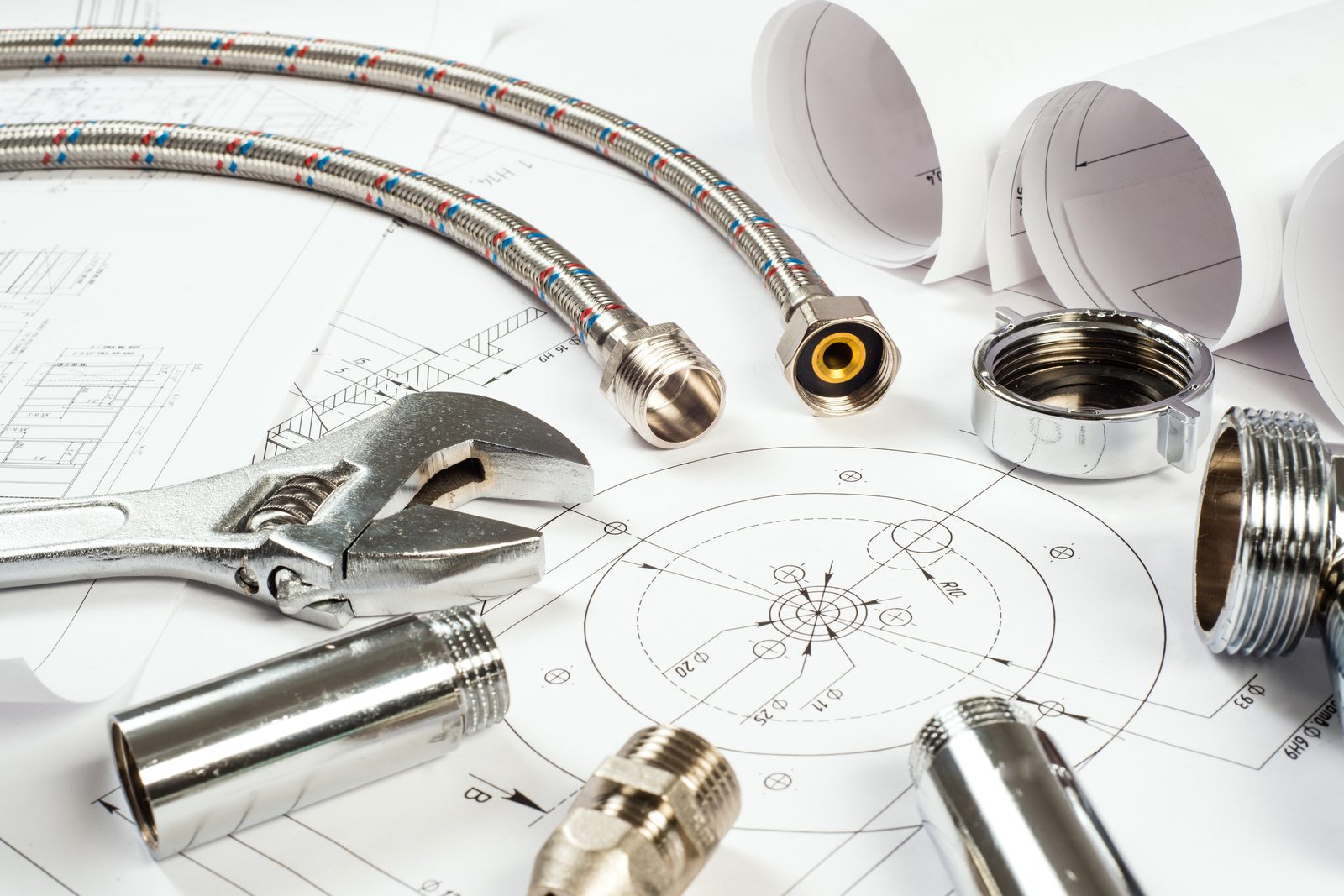
Sometimes the pump is fine — the discharge line is what's failing. Frozen, cracked, or improperly pitched lines all cause the same problem: water can't exit, so the pump can't do its job. We can repair existing lines or reroute the discharge for better performance.
Once in the fall and once before spring melt. Pour a 5-gallon bucket of water into the pit and watch the pump kick on, empty the pit, and shut off. If anything in that sequence looks off — slow to start, doesn't pump fast, doesn't shut off cleanly — call us.
7–10 years for a standard consumer-grade pump in Wisconsin. Heavy-use pumps in homes with high water tables fail sooner. Cast-iron commercial pumps can last 15+ years but cost more up front.
If you have a finished basement, yes. The exact moment you most need your sump pump is during a big storm — which is also when your power is most likely to go out. A battery backup buys you several hours of pumping while the power is out. We can recommend a unit when we install or replace your primary pump.
Probably yes. Either the float switch is stuck on, the check valve is failing (water flowing back into the pit after every cycle), or your pit is genuinely getting a constant supply of groundwater. Worth a service call to diagnose — a continuously-running pump will burn out fast.
You can, but it's one of those jobs where small mistakes cause big problems. Wrong-sized pump, bad check valve installation, poor pitch on the discharge — any of these can mean your pump doesn't do its job when you need it. For the cost of a flat-rate professional install, it's usually worth having it done right.
Yes — and that's actually the most cost-effective time to add a backup. We're already there, the pit is already accessible, and you save on a second service call.
Call during business hours and you'll get our team — not a call center, not an answering service. Most water heater jobs scheduled within 24 hours.
Hours: Mon–Fri · 7am–5pm · No After-Hours Emergency Service
